



Appliances often break at the worst moments. The fridge may stop cooling right before a big grocery trip, or the washing machine might fail mid-load with wet clothes. In these moments, you quickly wonder whether to try fixing it yourself or call a professional. Appliance repair services exist for exactly these moments, but not every problem requires a technician. Some fixes take five minutes and zero expertise.
Others involve serious safety risks that demand professional hands. Knowing the difference saves money, prevents accidents, and gets household routines back on track faster.
What Does Appliance Repair Usually Cover?
Technicians use specialised tools and diagnostic equipment to find the exact problem. This ensures repairs tackle the root cause, not just the visible symptoms. Technicians identify why an appliance stopped working and restore it to proper function.
Common Appliances Covered
Professional repair services typically handle:
- Refrigerators and freezers: Cooling failures, ice buildup, water leaks, compressor issues, thermostat malfunctions
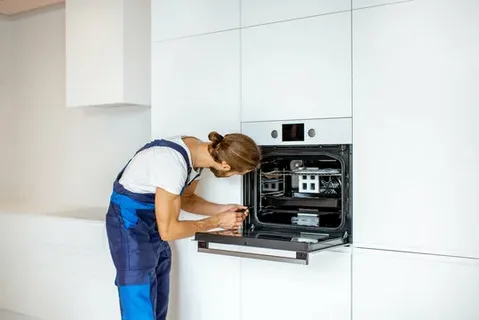
- Ovens, stoves, and ranges: No heat, uneven temperatures, broken igniters, faulty heating elements, and control board failures
- Dishwashers: Drainage problems, water intake issues, broken spray arms, door latch failures, pump malfunctions
- Washing machines: Spin cycle failures, excessive vibration, drainage problems, lid switch issues, water inlet valve faults
- Dryers: No heat production, extended drying times, drum not spinning, unusual noises, and ventilation blockages
- HVAC systems: Heating or cooling failures, sensor malfunctions, airflow restrictions, thermostat problems
Types of Faults Technicians Address
Repair professionals handle three main categories of problems:
- Mechanical issues: Broken belts, worn bearings, damaged motors, faulty pumps, and stuck moving parts
- Electrical faults: Blown fuses, damaged wiring, failed capacitors, and short circuits
- Control system failures: Malfunctioning sensors, error-throwing control boards, and unresponsive digital panels
This means technicians bring specialised tools and diagnostic equipment to pinpoint problems accurately. As a result, repairs address the root cause rather than just the symptoms.
What Service Plans and Warranties Include
Most warranties and repair service plans cover:
- Diagnostic assessments to identify the exact problem
- Replacement parts for components that failed during normal use
- Labour costs for installation and repair work
- Follow-up visits if the initial repair does not resolve the issue
Coverage typically applies to breakdowns from normal wear and tear. However, these situations usually fall outside warranty protection:
- Damage from misuse or improper installation
- Problems caused by power surges or electrical issues
- Cosmetic damage like dents, scratches, or discolouration
- Failures resulting from a lack of maintenance
When Should You Call A Professional?
Recognising when professional help is necessary protects both safety and wallet. Certain warning signs indicate problems beyond basic troubleshooting.
Situations That Require Expert Attention
Call a technician immediately when:
- The appliance won’t power on after verifying the outlet works, and the breakers are not tripped
- Error codes keep appearing even after resetting the appliance multiple times
- Burning smells emerge during operation, indicating potential electrical or motor problems
- Sparks or smoke appear from any part of the appliance
- Gas odours develop near stoves, ovens, or gas dryers
- Water leaks persist without an obvious source, like a loose hose
- Unusual loud noises occur, such as grinding, banging, screeching, or humming sounds
- Performance drops significantly, like a refrigerator that runs constantly but never cools properly
These warning signs often indicate serious internal issues. Trying to fix them without training can make the problem worse.
Warranty and Coverage Considerations
Calling a professional makes sense when:
- The appliance remains under the manufacturer’s warranty, which requires authorised service
- A home warranty or extended protection plan covers repair costs
- The repair involves sealed systems or components with specific certification requirements
- Previous DIY attempts failed to resolve the problem
Authorised technicians document repairs properly, which preserves warranty coverage for future issues. This means professional service protects long-term investment value.
When Is DIY Troubleshooting Reasonable?
Not all appliance issues require a professional call. Simple checks can often solve common problems.
Quick Checks Before Calling
Try these steps first:
- Confirm the appliance is plugged in securely
- Test the outlet with another device
- Check the circuit breaker for tripped switches
- Clean or replace clogged filters
- Verify settings are correct for the desired operation
- Inspect for obvious blockages or loose connections
- Consult the user manual for reset procedures
These actions resolve many common issues without any cost.
Takeaway
Understanding what repair covers and recognising when professional help is necessary keeps households running smoothly. Minor issues often have simple fixes, but electrical faults, gas components, and persistent malfunctions require trained technicians. Making informed decisions about repair versus replacement ensures money goes where it matters most.
When DIY checks don’t solve the problem, professional expertise ensures appliances are repaired safely and correctly. A trusted team with certified technicians can diagnose efficiently, handle mechanical and electrical issues, and restore appliances to proper function. CLT Appliance Repair follows this approach, prioritising accurate fixes and customer peace of mind, so households can get back to normal without unnecessary delays or repeated service calls.
