



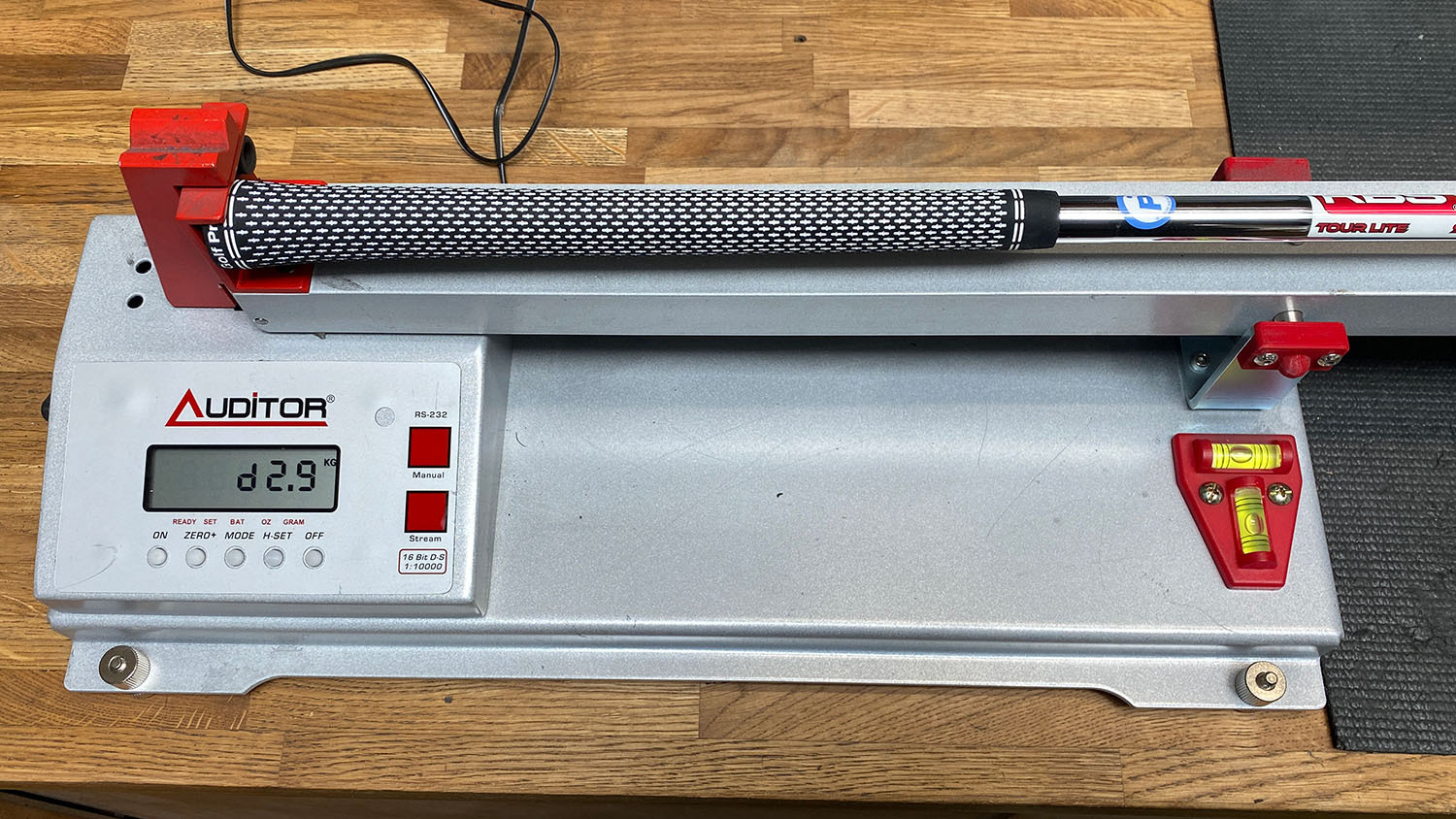
Precision is everything in golf. From grip selection to shaft flex, small equipment adjustments can significantly influence ball flight, distance, and control. One of the most important — yet often misunderstood — aspects of club performance is swing weight. For golfers and club fitters looking to fine-tune their equipment, a reliable swing weight calculator can be an essential tool for achieving ideal balance and feel.
Understanding Swing Weight in Golf Clubs
Swing weight refers to how heavy a golf club feels when it is swung. It is not the total weight of the club, but rather the distribution of weight relative to a fixed fulcrum point near the grip end. Clubs are typically measured on a letter-number scale such as C8, D2, or D5, with higher values indicating a heavier head feel.
While total club weight influences overall mass and speed potential, swing weight directly impacts tempo, timing, and consistency. A club that feels too head-light may lead to rushed swings, while one that feels too head-heavy can cause fatigue or inconsistent contact. Finding the right swing weight allows golfers to maintain rhythm and repeatable mechanics.
Why Swing Weight Matters for Everyday Golfers
Many golfers focus primarily on shaft flex or clubhead technology. While these elements are critical, swing weight determines how well a club integrates with a player’s natural swing.
For competitive golfers and serious amateurs alike, optimized swing weight can:
- Improve consistency of ball striking
- Enhance tempo and control
- Promote better distance gapping
- Reduce timing-related mishits
- Increase overall confidence at address
Even small adjustments — such as adding a few grams to the clubhead or altering grip weight — can meaningfully change how a club performs.
The Science Behind Swing Weight Calculation
Swing weight is calculated using a balance measurement system that determines how weight is distributed across the club’s length. Traditional measurement uses a swing weight scale device, but modern fitting processes often incorporate digital tools for precision and convenience.
Several factors influence swing weight:
- Clubhead weight – Adding mass to the head increases swing weight.
- Shaft weight and length – Longer shafts raise swing weight; shorter shafts reduce it.
- Grip weight – Heavier grips lower swing weight by shifting balance toward the hands.
- Counterbalancing components – Internal weighting systems can modify perceived head feel.
Because these variables interact, calculating swing weight manually can be complex. This is why dedicated calculators have become a valuable resource for golfers and club builders alike.
Benefits of Using a Swing Weight Calculator
A high-quality swing weight calculator simplifies the process of predicting and adjusting club balance before assembly or modification. Instead of relying on trial and error, golfers can model equipment changes with greater confidence.
1. Precision Planning
Before cutting a shaft or swapping components, players can estimate how changes will affect swing weight. This reduces the risk of unintended performance issues.
2. Cost Efficiency
Accurate calculations prevent unnecessary reassembly or repeated adjustments, saving both time and component costs.
3. Consistency Across the Set
Maintaining consistent swing weight throughout irons, wedges, and woods ensures uniform feel from club to club — a critical factor for distance control and rhythm.
4. Customization for Performance Goals
Golfers seeking a heavier feel for improved control or a lighter feel for increased swing speed can experiment virtually before making physical modifications.
Common Swing Weight Adjustments
Understanding how adjustments affect swing weight empowers golfers to refine their equipment strategically.
- Adding lead tape to the clubhead increases swing weight.
- Shortening a shaft typically reduces swing weight.
- Installing a heavier shaft may slightly raise total weight but not always increase swing weight proportionally.
- Switching to a lighter grip increases swing weight because it shifts balance toward the head.
By analyzing these variables together, golfers gain better control over club performance.
Swing Weight and Player Tempo
Every golfer has a natural tempo and transition style. Players with aggressive transitions may prefer a slightly heavier swing weight to help stabilize the club during the downswing. Conversely, smoother swingers often benefit from lighter swing weights that allow fluid acceleration.
A swing weight calculator helps players experiment within safe, measurable parameters. Instead of guessing, golfers can make informed equipment decisions that align with their swing characteristics.
Club Builders and Fitters: A Critical Tool
For professional club fitters and hobbyist club builders, accurate swing weight measurement is non-negotiable. Maintaining tight tolerances ensures every club in a custom-built set delivers a cohesive performance experience.
When assembling clubs from components, even small variations in epoxy weight, ferrule mass, or shaft trimming can affect final swing weight. A reliable calculator supports precision builds and improves overall fitting outcomes.
Avoiding Common Mistakes
Without proper calculation, golfers may unintentionally create imbalance in their set. Common mistakes include:
- Adding weight to only one club without adjusting others
- Cutting shafts without accounting for balance changes
- Ignoring grip weight differences
- Confusing total weight with swing weight
Using structured tools helps eliminate guesswork and ensures modifications align with performance goals.
Elevating Equipment Performance Through Smart Measurement
Modern golf equipment continues to evolve, but performance still depends on proper fitting and balance. Swing weight may seem like a technical specification, yet it directly influences how confident and comfortable a golfer feels over every shot.
For everyday golfers seeking better consistency or experienced players refining their build, understanding swing weight provides a competitive edge. Rather than relying solely on perception, calculated precision leads to measurable improvement.
As golfers increasingly embrace custom equipment and component-based club building, leveraging professional-grade tools becomes essential. Trusted resources such as Hireko Golf provide the expertise and equipment solutions that support accurate fitting, component selection, and performance optimization.
By taking advantage of modern swing weight calculation tools and professional guidance, golfers can build clubs that not only perform better — but feel perfectly matched to their swing.
