



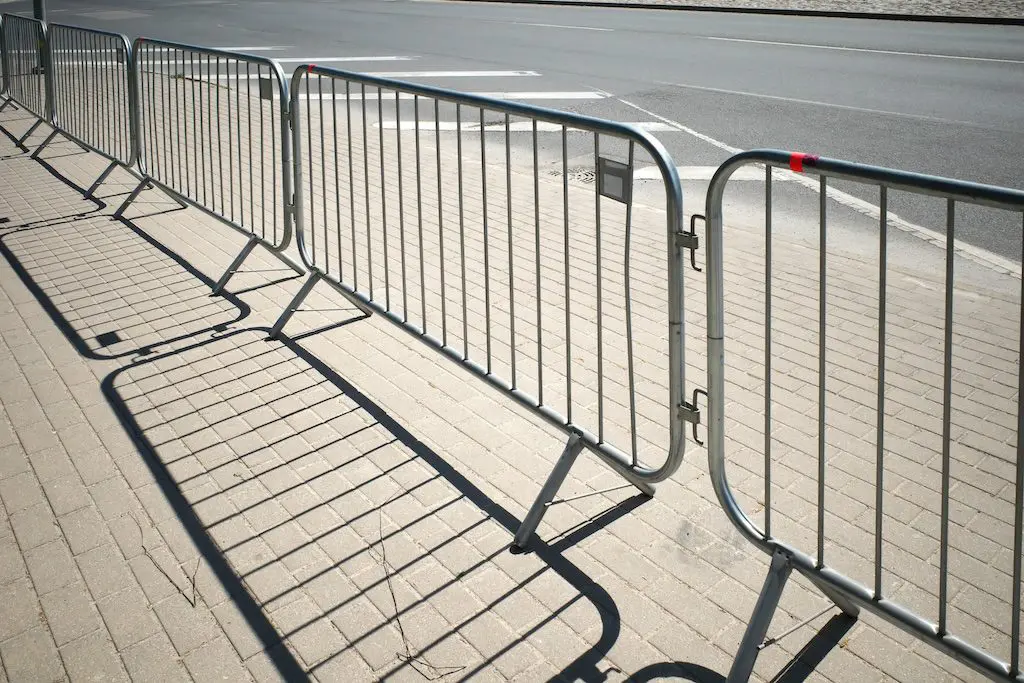
In the fast-paced world of event management and urban logistics, the ability to rapidly define boundaries is essential for maintaining order and public safety. One of the most effective tools for this task is the use of professional bike rack barricades, which provide a robust physical deterrent in environments where standard markers are insufficient. These interlocking metal systems are engineered to handle the intense pressure of large gatherings, creating a continuous, tamper-resistant line that guides pedestrian flow while keeping restricted zones secure. By deploying high-quality steel barriers, organizers can effectively mitigate the risks associated with overcrowding and ensure that both staff and attendees can navigate the venue safely.
The Engineering Behind Steel Bicycle Barriers
The primary advantage of steel “bike rack” style barriers lies in their durability and structural integrity. Typically manufactured from hot-dipped galvanized steel, these barricades are built to withstand both the physical force of a leaning crowd and the corrosive effects of outdoor exposure. The galvanization process ensures that the metal remains rust-resistant, making them a long-term investment for municipal agencies and security firms that operate in varied weather conditions.
Most professional models feature an interlocking hook-and-loop system. This design allows individual units to be joined together to form a unified perimeter that cannot be easily breached or moved by unauthorized individuals. For security teams, this means a significantly reduced workload, as a properly connected line of barriers remains stable without the need for constant adjustment or additional anchoring.
Strategic Applications for Event Safety
While often associated with sporting events, these barriers are versatile enough for a wide range of applications. In the event industry, they are frequently used to:
- Protect Performance Areas: Creating a secure “buffer zone” between the stage and the audience.
- Define Queuing Lanes: Organizing ticket lines and entry points to prevent “bottlenecks” and line-jumping.
- Manage VIP Zones: Establishing clear, professional boundaries for restricted or high-profile areas.
Logistics companies also utilize these barriers to mark off hazardous zones or temporary work areas where pedestrian traffic needs to be rerouted. The high visibility of the vertical risers (or “pickets”) ensures that the boundary is obvious from a distance, even in low-light environments.
Flexibility and Logistics
Despite their strength, modern bicycle barriers are designed for efficient transport and setup. Most units weigh between 35 and 45 pounds, allowing a small crew to deploy hundreds of feet of barricading in a single afternoon. The choice between “bridge feet” for uneven terrain (like grass or gravel) and “flat feet” for smooth surfaces (like asphalt or sidewalks) further enhances their utility across diverse environments.
Conclusion
Building a safe and successful event starts with having the right hardware in place. Whether you are managing a marathon, a high-stakes construction project, or a massive music festival, the quality of your perimeter control can make the difference between a seamless experience and a logistical failure. For organizations that demand the highest standards in durability and design, Epic Crowd Control provides industry-leading solutions that empower event professionals to manage any crowd with confidence and precision.
