



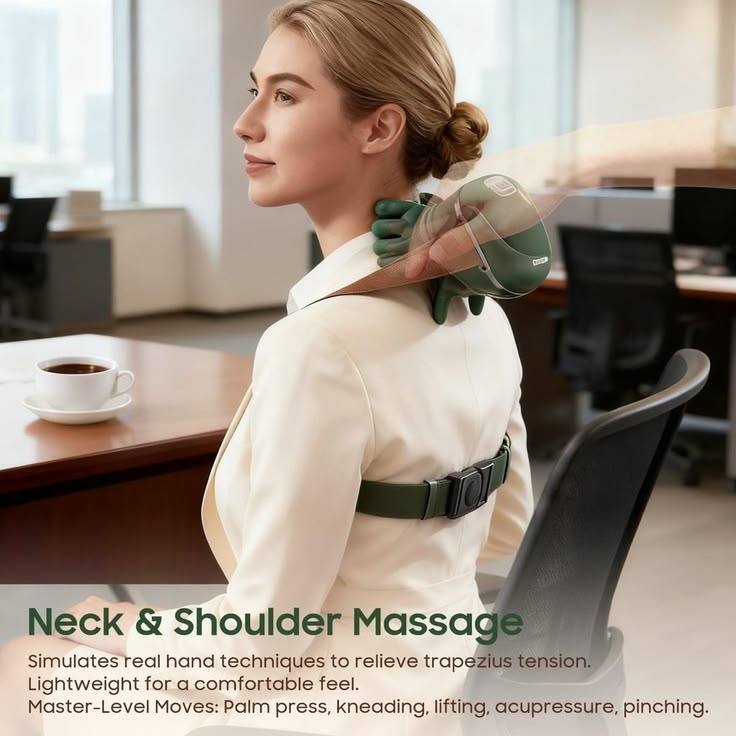
The cervical spine is one of the most important and delicate structures in the human body. It supports the head, enables movement, and works in constant coordination with surrounding muscles in the neck and shoulders. When these muscles become tight or overworked—something extremely common in modern desk-based lifestyles—posture begins to suffer and discomfort gradually increases.
Regular shoulder massage does not “fix” posture structurally, but it plays a powerful supportive role by reducing muscle tension, improving mobility, and helping the body maintain a more natural alignment throughout the day.
Understanding the Cervical Spine’s Role in Daily Movement
The cervical spine consists of seven vertebrae located in the neck region. It supports the weight of the head while allowing flexible movement in multiple directions.
Why It Is Under Constant Pressure
The head is relatively heavy compared to the neck muscles that support it. Even small posture changes can significantly increase strain on the cervical region.
When the head moves forward, the load on the neck increases dramatically, forcing surrounding muscles to compensate continuously Neck shoulder massager.
The Muscle Network That Supports It
The cervical spine depends heavily on surrounding muscles, especially:
- Upper trapezius
- Levator scapulae
- Sternocleidomastoid
- Deep neck stabilizers
When these muscles become tight or fatigued, the spine itself experiences increased stress.
How Poor Posture Develops Over Time
Posture problems rarely appear suddenly. They develop gradually through daily habits.
Forward Head Position
Extended screen use encourages the head to move forward, shifting weight away from the spine’s natural alignment.
Rounded Shoulders
Sitting for long periods often leads to shoulder rounding, which indirectly pulls on the neck muscles.
Muscle Imbalance
Some muscles become overactive and tight, while others weaken due to lack of use. This imbalance contributes to discomfort and stiffness.
How Shoulder Tension Affects the Cervical Spine
The shoulders and neck are closely connected. When shoulder muscles tighten, they influence spinal alignment.
Increased Pull on the Neck
Tight trapezius muscles can pull the cervical spine out of neutral alignment, increasing strain.
Reduced Range of Motion
Stiff shoulder muscles limit neck movement, making simple actions like turning the head uncomfortable.
Referred Pain Patterns
Tension in the shoulders can create discomfort that radiates into the neck and upper back.
How Regular Shoulder Massage Helps
Shoulder massage works by addressing the muscular component of cervical discomfort.
1. Reducing Muscle Tightness
Massage helps release contracted muscle fibers, particularly in the trapezius region. This reduces the pulling force on the cervical spine.
2. Improving Blood Circulation
Increased circulation delivers oxygen to tight muscles and helps remove metabolic waste that contributes to fatigue and stiffness.
3. Restoring Muscle Flexibility
Regular pressure and kneading help improve tissue elasticity, making it easier for muscles to move and relax.
4. Supporting Natural Alignment
When muscles are less tight, the body can more easily return to a neutral, upright posture without forced correction.
Why Consistency Is More Important Than Intensity
Postural tension builds over time, so it must also be addressed consistently.
Daily Micro-Relief
Short massage sessions help prevent tension from accumulating throughout the day.
Preventing Muscle Adaptation
Regular stimulation keeps muscles responsive and reduces chronic stiffness patterns.
Long-Term Comfort Improvement
Over time, consistent massage reduces baseline tension levels in the upper body.
How Modern Shoulder Massagers Support Cervical Health
Advanced devices are specifically designed to target neck and shoulder muscles that influence spinal alignment.
1. Ergonomic Contouring
Devices shaped to follow the neck and shoulder curve ensure that pressure is applied directly to relevant muscle groups.
2. Kneading Mechanisms
Rotating nodes simulate hand-like pressure, helping release deep tension in trapezius and cervical-support muscles.
3. Heat Therapy Integration
Heat increases tissue flexibility, making massage more effective and comfortable.
4. Adjustable Intensity Levels
Users can match pressure to their comfort level, which is important for sensitive cervical areas.
How Improved Muscle Condition Affects Posture
When shoulder and neck muscles are less tense, posture naturally improves.
Reduced Forward Pull
Relaxed muscles no longer pull the head forward as strongly.
Easier Upright Positioning
The body can maintain a neutral posture with less effort.
Decreased Fatigue During Sitting
Muscles require less energy to maintain position, reducing tiredness.
Common Mistakes That Limit Results
Even effective massage routines can be undermined by poor habits.
Relying Only on Massage
Massage helps muscles, but posture habits must also change.
Using Excessive Pressure
Too much intensity can cause muscles to tighten defensively.
Inconsistent Use
Irregular sessions do not provide enough support for long-term improvement.
Supporting Cervical Spine Health Beyond Massage
A complete approach produces the best results.
Ergonomic Workspace Setup
- Monitor at eye level
- Supportive chair with proper back alignment
- Relaxed shoulder positioning
Movement Breaks
Regular standing and stretching reduce stiffness buildup.
Postural Awareness
Being mindful of head and shoulder position helps reinforce better habits.
When Shoulder Massage Is Most Effective
Massage provides the best results when used:
- After long desk sessions
- During midday breaks
- In the evening to release accumulated tension
Final Thoughts
The cervical spine relies heavily on surrounding muscles for support, and those muscles are constantly affected by modern lifestyle habits. Regular shoulder massage helps reduce tension, improve circulation, and restore flexibility in these key muscle groups.
While it is not a structural correction for posture, it is a powerful supportive tool that makes good posture easier to maintain and discomfort easier to manage. When combined with proper ergonomics and daily movement habits, it plays an important role in maintaining long-term neck comfort and spinal well-being.
