



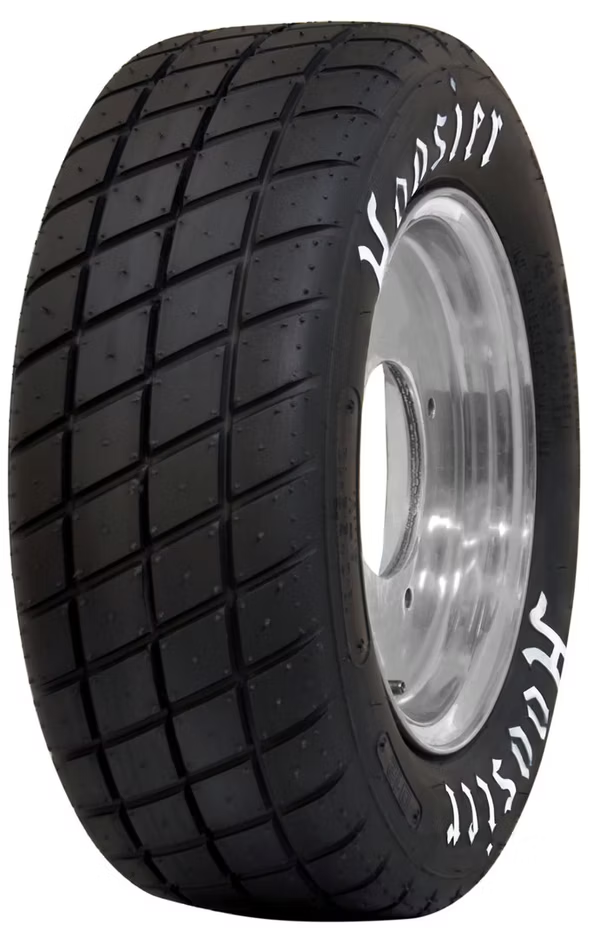
When it comes to competitive motorsports, tire selection can make or break your performance. Hoosier Racing Tire is one of the most trusted names in the industry, known for producing high-performance tires engineered for specific racing conditions. However, not all Hoosier racing tires are created equal. The requirements of autocross and road racing differ significantly, and choosing the right tire for each discipline is essential for maximizing grip, control, and consistency. This guide explores the key differences between Hoosier tires designed for autocross and those built for road racing, helping you make a more informed decision based on your driving style and racing environment.
Understanding Autocross and Road Racing
Autocross is a short-duration motorsport typically held on parking lots or temporary courses defined by cones. Events usually last under a minute, emphasizing quick acceleration, sharp turns, and immediate grip. Drivers rarely get more than one or two laps per run, so tires must perform at peak levels almost instantly.
Road racing, on the other hand, takes place on permanent circuits or road courses with longer lap times and extended sessions. Drivers must maintain consistent performance over multiple laps, often dealing with varying track temperatures, sustained high speeds, and gradual tire wear. Tires in road racing need to balance grip with durability and heat management.
Tire Compound Differences
One of the most important distinctions between autocross and road racing Hoosier tires lies in the compound. Autocross tires, such as the Hoosier A7 or A052 alternatives, are built with ultra-soft compounds designed to reach optimal grip levels very quickly. Since autocross runs are short, longevity is less of a concern. The focus is on delivering maximum traction within seconds of starting the run.
Road racing tires like the Hoosier R7 or R8 feature slightly harder compounds. While they still offer exceptional grip, they are engineered to withstand longer sessions without overheating or degrading too quickly. These compounds provide a more consistent performance curve across multiple laps, making them ideal for endurance-focused driving.
Heat Cycle Behavior
Heat cycles play a critical role in tire performance and lifespan. Autocross tires are optimized for rapid heat buildup. They reach their peak operating temperature within a single run and deliver maximum grip almost immediately. However, this also means they can degrade quickly after several heat cycles, especially if overused or improperly stored.
Road racing tires are designed to handle repeated heat cycles more effectively. They warm up gradually and maintain stable performance over longer periods. While they may not offer peak grip instantly, they provide a more predictable and durable performance across multiple sessions, making them suitable for track days and competitive racing events.
Tread Design and Construction
Hoosier autocross tires typically feature minimal tread patterns or are nearly slick, maximizing the contact patch with the ground. This design enhances grip on dry surfaces and improves responsiveness during rapid directional changes. The construction is often more flexible to allow the tire to conform quickly to the surface.
In contrast, road racing tires may include slightly more structured tread patterns or reinforced construction. This helps maintain stability at high speeds and under sustained cornering loads. The sidewalls are usually stiffer, providing better support during long-duration racing and improving overall handling consistency.
Performance Characteristics
Autocross tires prioritize immediate response and peak grip. They excel in short bursts, offering sharp turn-in, aggressive traction, and rapid acceleration. These characteristics are essential for navigating tight courses where every fraction of a second counts. However, their performance can drop off quickly if pushed beyond their optimal temperature range.
Road racing tires focus on balance and endurance. They provide consistent grip over extended sessions, allowing drivers to maintain control and confidence lap after lap. While they may not feel as “sticky” as autocross tires at the start, they deliver reliable performance once properly warmed up.
Longevity and Wear
Longevity is another key difference between the two tire types. Autocross tires wear out faster due to their softer compounds and intense usage patterns. Since runs are short, this trade-off is acceptable for most drivers who prioritize performance over lifespan.
Road racing tires are built to last longer. Their compounds and construction are designed to resist wear during extended track sessions. This makes them more cost-effective for drivers who participate in frequent track days or endurance events.
Tire Pressure and Setup
Tire pressure setup varies significantly between autocross and road racing. In autocross, drivers often experiment with higher pressures to reduce sidewall flex and improve responsiveness. Since runs are short, maintaining consistent pressure is less challenging.
In road racing, tire pressure management is more complex. Pressures must be carefully adjusted to account for heat buildup over multiple laps. Drivers aim for optimal hot pressures rather than cold pressures, ensuring consistent performance throughout the session.
Choosing the Right Hoosier Tire
Selecting the right Hoosier tire depends on your primary use case. If you compete in autocross events, a tire like the Hoosier A7 is ideal due to its quick warm-up and superior short-term grip. For road racing or track days, options like the Hoosier R7 or R8 provide better durability and consistent performance over time.
It is also important to consider factors such as vehicle type, driving style, and track conditions. A lightweight car may benefit more from a softer compound, while a heavier vehicle might require a more durable option to handle increased stress.
Common Mistakes to Avoid
Many drivers make the mistake of using autocross tires for road racing or vice versa. While it may seem cost-effective, it often leads to suboptimal performance and faster tire degradation. Another common issue is improper heat management, which can reduce tire lifespan and affect grip levels. Ensuring proper storage, rotation, and pressure monitoring can significantly improve overall performance.
Conclusion
Hoosier tires are engineered with precision to meet the demands of different racing disciplines. Autocross tires prioritize instant grip and responsiveness, making them perfect for short, intense runs. Road racing tires focus on durability, consistency, and heat management, ensuring reliable performance over longer sessions. Understanding these key differences allows drivers to choose the right tire for their needs, ultimately improving lap times and overall driving experience.
