



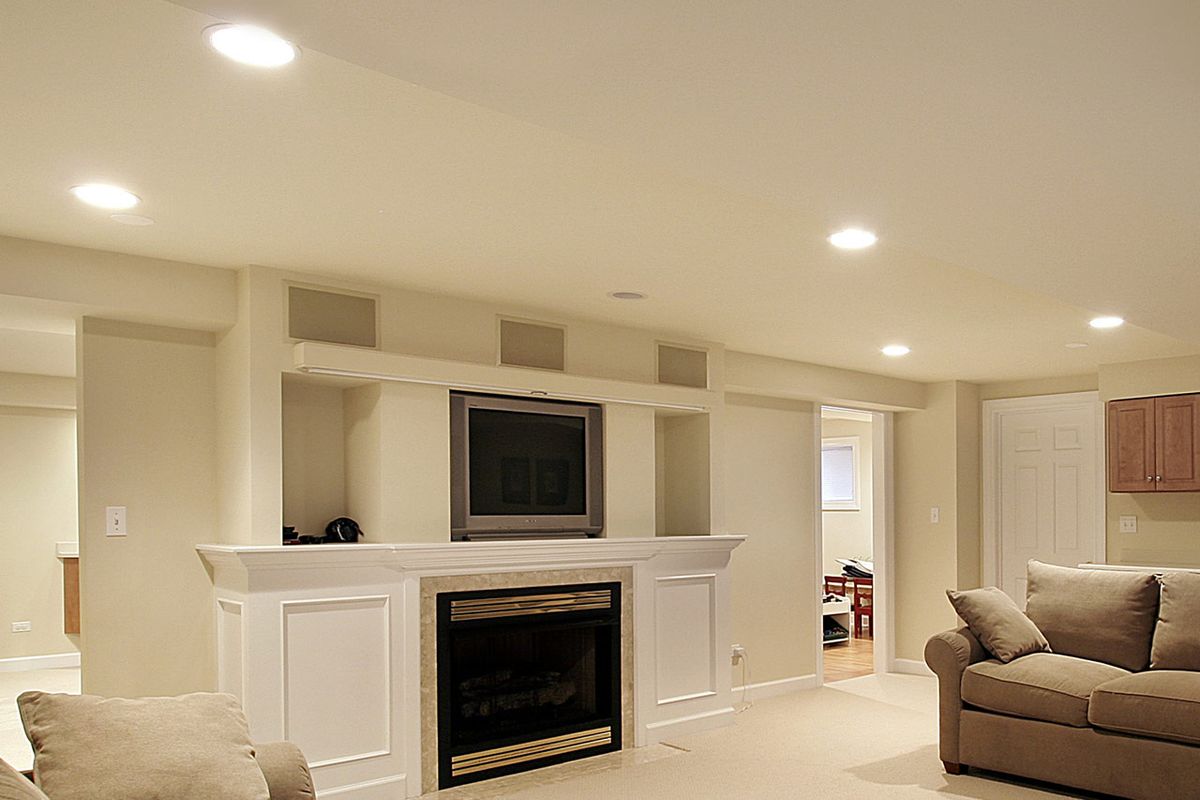
Recessed downlights are one of the most popular lighting choices in modern homes and commercial spaces. Known for their clean, minimalist appearance, they sit flush with the ceiling and provide focused or ambient illumination without the visual clutter of hanging fixtures. If you are new to lighting design, understanding how recessed downlights work can help you make better decisions for your space, whether you are renovating, building, or simply upgrading your lighting system.
What Are Recessed Downlights
Recessed downlights, often called can lights or pot lights, are light fixtures installed directly into a hollow opening in the ceiling. Unlike traditional fixtures that hang down or attach visibly to the surface, recessed lights are embedded within the ceiling, with only the trim and light output visible.
They are designed to direct light downward, creating a clean and streamlined look. Because they are subtle, they work well in a wide variety of spaces including living rooms, kitchens, hallways, offices, and bathrooms.
Main Components of Recessed Downlights
To understand how recessed downlights work, it is important to break down their main components. Each part plays a specific role in delivering efficient and controlled lighting.
The housing is the body of the fixture that is installed inside the ceiling. It contains the electrical connections and supports the light source. Housings come in different types depending on ceiling structure, insulation, and installation needs.
The trim is the visible portion of the fixture. It sits flush with the ceiling and surrounds the light opening. Trims come in various styles such as baffle, reflector, and adjustable trims, each affecting the light distribution and aesthetics.
The light source is typically an LED module or bulb. Modern recessed downlights primarily use LED technology because of its energy efficiency, long lifespan, and low heat output.
The driver or transformer regulates the electrical current supplied to the LED. It ensures stable operation and prevents damage caused by voltage fluctuations.
How Recessed Downlights Produce Light
Recessed downlights work by directing light downward from a concealed source within the ceiling. When the fixture is switched on, electricity flows through the wiring to the driver, which controls the current reaching the LED or bulb. The light source then emits light, which is guided through the trim and directed into the room.
The design of the trim plays a crucial role in shaping how light spreads. For example, a reflector trim enhances brightness by bouncing light outward, while a baffle trim reduces glare by absorbing excess light and creating a softer effect.
In adjustable or gimbal downlights, the internal mechanism allows the light to be angled. This is useful for highlighting artwork, architectural features, or specific areas within a room.
Types of Recessed Downlights
Recessed downlights are available in several types based on installation and functionality. Understanding these types helps you choose the right option for your needs.
New construction downlights are installed during the building phase. They are fixed directly to ceiling joists before the ceiling is finished.
Remodel downlights are designed for existing ceilings. They can be installed without major structural changes, making them ideal for renovations.
IC-rated downlights are safe to install in ceilings with insulation. They are designed to prevent overheating and reduce fire risk.
Non-IC rated downlights require clearance from insulation and are typically used in ceilings without direct insulation contact.
Dimmable downlights allow you to adjust brightness levels, offering flexibility for different moods and activities.
Smart downlights can be controlled through mobile apps or voice assistants, allowing users to change brightness, color temperature, and schedules.
Beam Angle and Light Distribution
One important aspect of how recessed downlights work is their beam angle. The beam angle determines how wide or narrow the light spreads from the fixture.
A narrow beam angle creates a focused spotlight effect, ideal for highlighting specific objects or areas. A wide beam angle spreads light over a larger area, making it suitable for general room illumination.
Choosing the right beam angle depends on the purpose of the lighting. For example, kitchens often benefit from wider beams for even coverage, while accent lighting may require narrower beams.
Color Temperature and Ambience
Recessed downlights also influence the mood of a space through color temperature. Measured in Kelvin, color temperature ranges from warm to cool tones.
Warm white light creates a cozy and inviting atmosphere, often used in living rooms and bedrooms. Neutral white offers a balanced tone suitable for kitchens and workspaces. Cool white or daylight provides a bright, crisp feel, ideal for offices or areas requiring high visibility.
Modern LED downlights often allow users to switch between color temperatures, providing greater flexibility.
Energy Efficiency and Lifespan
One of the key advantages of recessed downlights, especially those using LED technology, is energy efficiency. LEDs consume significantly less electricity compared to traditional incandescent or halogen bulbs.
They also have a longer lifespan, often lasting tens of thousands of hours. This reduces the need for frequent replacements and lowers maintenance costs over time.
Additionally, LEDs produce less heat, making them safer and more efficient, particularly in enclosed ceiling spaces.
Installation Basics
Installing recessed downlights involves cutting holes in the ceiling, securing the housing, connecting electrical wiring, and attaching the trim and light source. While new construction installations are done during building, retrofit installations can be completed with minimal disruption.
Proper spacing is essential for achieving even lighting. Typically, lights are spaced based on ceiling height and room size. Incorrect placement can lead to uneven lighting or unwanted shadows.
Professional installation is recommended for complex setups, especially when dealing with electrical wiring and insulation considerations.
Advantages of Recessed Downlights
Recessed downlights offer several benefits that make them a popular choice in modern interiors. They provide a clean and uncluttered look, enhance the sense of space, and blend seamlessly with various design styles.
They are versatile and can be used for ambient, task, or accent lighting. Their ability to be strategically placed allows for customized lighting layouts.
They also improve energy efficiency, especially when using LED technology, and offer long-term cost savings.
Common Mistakes to Avoid
Beginners often make a few common mistakes when using recessed downlights. Overlighting a space can make it feel harsh and uncomfortable, while underlighting can leave areas dim and impractical.
Ignoring beam angle and color temperature can result in lighting that does not suit the room’s purpose. Improper spacing can create uneven illumination and shadows.
Choosing the wrong type of housing, especially in insulated ceilings, can pose safety risks. It is important to select the correct rating and follow installation guidelines.
Conclusion
Recessed downlights are a powerful yet subtle lighting solution that combines functionality with modern design. By understanding how they work, including their components, light distribution, and installation requirements, you can make informed decisions that enhance both the aesthetics and practicality of your space.
Whether you are aiming for soft ambient lighting or focused task illumination, recessed downlights offer the flexibility to achieve your desired effect while maintaining a clean and sophisticated look.
