



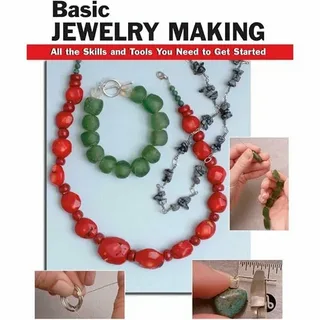
Jewelry making is a creative and technological process that converts raw materials into attractive, wearable ornaments. Each item of jewelry, from daily fashion jewelry to luxury fine jewelry, undergoes multiple steps before reaching consumers.
The phases include design development, material selection, prototype, manufacturing, finishing and quality inspection. Every stage counts in terms of look, durability and overall value of the finished product.
For fashion and fine jewelry firms, knowing the jewelry production process is crucial to designing items that meet client expectations and market trends. Whether a corporation is looking to introduce a new jewelry line or broaden its current product offering, the correct Wholesale Jewellery Manufacturers technique might affect product quality, production costs and brand image. This handbook outlines the basic steps, materials, methods, and concerns for making jewelry.
What Does Jewelry Manufacturing Mean?
Jewelry making is the design and manufacture of ornamental accessories from a variety of metals, stones, beads and other materials. It combines creativity and technical skill to produce goods like necklaces, earrings, bracelets, rings, pendants, and other accessories.
The manufacturing method might differ based on the jewelry category, the intricacy of the design, the materials used, and the amount of production. Fashion jewelry is typically about being affordable, looking good, and following shifting trends, whereas quality jewelry is about precious metals, real jewels, workmanship and lasting worth.
Jewelry may be made by manufacturers using traditional handcrafting processes, modern equipment or a mix of both. Some brands need a different strategy based on their needs, target demographic and product specifics.
Before they start producing, businesses need to know how the various jewelry categories vary. Each category has its own material needs, production methods and quality standards.
Jewelry Manufacturing Fashion
Costume jewelry, or fashion jewelry, is inexpensive jewelry that is worn to enhance an outfit and personal flair. Uses frequently materials such as brass, copper, stainless steel, alloy metals, glass beads, fake stones, acrylic, synthetic pearls.
To enhance the look of these accessories manufacturers may add a gold plating, silver plating, enamel or other decorative treatments. Production of fashion jewelry tends to concentrate on fashionable designs for a low price. As fashion tastes vary very often, firms may release new collections based on seasonal trends, client tastes and market need.
Main Steps of the Jewelry Making Process
Jewelry production consists of multiple interrelated steps. Getting planning and execution right at every level ensures companies remain consistent and provide the product quality they seek.
1. Design & Concept Development for Jewelry
The first step is the creation of the creative idea behind a jewelry line. First designers decide who the clothes are for, what the brand is like, what’s in style now and what kind of product they’re designing.
They may come up with hand-drawn drawings or digital designs utilizing computer-aided design (CAD) software. These designs enable the makers to know the dimensions, form, structure, decorative aspects and the needs of the material of the product.
And a strong design also helps uncover possible production problems well before the manufacturing process starts.
2. Selection and sourcing of materials
The material choice influences the jewelry’s look, durability, cost, and quality. Manufacturers choose materials based on the product design and brand budget.
Fashion jewelry companies might choose from brass, stainless steel, copper, glass or synthetic stones. Fine jewelry makers usually use precious metals and real or lab-created gemstones based on the parameters of the product.
Jewelry firms nowadays are also beginning to consider responsible sourcing. Brands may consider suppliers who can give information on material origins, metal purity, gemstone sources, and ethical manufacturing processes.
3. Prototype and Samples Development
Once the design and materials are chosen, manufacturers make a prototype or sample. At this stage, businesses get to see and feel what the real jewelry item looks and feels like before committing to big production.
Prototypes may be made using wax carving, 3D printing, casting or hand craftsmanship. The sample is examined for size, weight, comfort, esthetics and design correctness.
If needed, producers might make revisions to the prototype before going forward. This helps to minimize manufacturing mistakes and excessive expenditure in material.
How to Select the Right Jewelry Manufacturer
Choosing a good production partner is a key choice in fashion and fine jewelry businesses. A dependable manufacturer has to be aware of the company’s design requirements, manufacturing expectations, and quality standards.
Brands should consider the manufacturer’s expertise, technical skills, material sourcing, manufacturing capacity and sample development process. Companies may also check out prior projects to get a sense of the manufacturer’s workmanship and design ability.
Communication is another key factor. Manufacturers should clearly state their price, minimum order quantity, manufacturing lead time, customization capabilities and quality inspection process.
Brands could also obtain samples to ensure that the end product is what they want before ordering huge quantities.
Typical Problems in the Making of Jewelry
Jewelry production may be fraught with potential pitfalls, especially for enterprises launching new designs or managing huge inventories. Variations in the cost of materials may impact the budget of production . Complex designs may increase the duration of manufacture and manpower needs .
Another often raised issue is the consistency of various batches of output. Small variations in metal polishing, stone arrangement or product dimensions might alter the look of a collection.
Production timetables may also be affected by supply chain delays, material shortages and changing consumer tastes. Good planning, trusted partnerships with suppliers, precise product standards, and frequent quality checks enable brands to overcome these problems.
The Future of Jewelry Production
The jewelry production sector is continually developing with increasing customer demands and technology improvements. Manufacturers are using CAD software, 3D printing, laser technology and automated manufacturing systems to increase design correctness and production efficiency.
Another rising concern is sustainability. Many firms are looking at recyclable metals, sustainably sourced diamonds, open supply chains and more efficient manufacturing.
The sector is also being affected by personalization. Customers are growing fond of personalized names, birthstone jewelry, engraved motifs, and accessories that represent personal tastes. Brands may adapt to these evolving expectations with manufacturers who provide customized and flexible manufacturing.
Conclusion
Making jewelry is a thorough procedure. It involves creative design and understanding of materials, workmanship and current technologies. Choosing the right materials, making prototypes, casting, placing stones, polishing and quality control, each step makes the final product.
By knowing these Wholesale Jewellery Manufacturers steps, fashion and fine jewelry firms may plan collections, assess production partners, manage prices, and ensure quality standards. Jewelry enterprises may make beautiful items and establish a strong presence in the competitive jewelry industry by concentrating on careful design, dependable sourcing, expert workmanship and constant quality control.
