



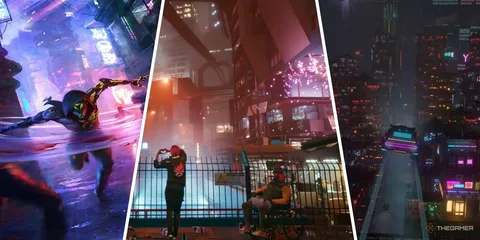
Over the past decade, the gaming industry has witnessed a major shift toward darker, more immersive, and story-driven experiences. Among the most influential of these developments is the rise of cyberpunk games, a genre that blends futuristic technology with dystopian storytelling. These games have not only redefined visual aesthetics but have also reshaped how players interact with virtual worlds, especially as innovations like Xbox Project Helix push the boundaries of hardware and performance to support these complex, futuristic environments.
The growing popularity of futuristic games reflects a deeper cultural fascination with advanced technology, artificial intelligence, and the consequences of rapid digital evolution. In 2026, cyberpunk is no longer just a niche genre—it has become a dominant force in modern gaming culture.
Understanding the Cyberpunk Appeal
Cyberpunk games typically take place in high-tech, low-life environments. These worlds are filled with neon lights, massive megacities, corporate dominance, and morally complex characters. This contrast between advanced technology and societal decay creates a unique storytelling experience.
Players are drawn to these worlds because they feel both familiar and unsettling. The themes often mirror real-world concerns, such as data privacy, artificial intelligence, and corporate power. This makes cyberpunk stories more relatable and thought-provoking.
Unlike traditional genres, cyberpunk does not rely solely on action or fantasy. Instead, it emphasizes atmosphere, narrative depth, and player choice, allowing gamers to immerse themselves in a believable yet futuristic reality.
The Influence of Technology on Game Design
One of the key reasons behind the rise of cyberpunk is the advancement of gaming technology. Modern game engines now allow developers to create highly detailed environments, realistic lighting, and dynamic weather systems that bring futuristic cities to life. Improvements in hardware accessibility, influenced by DDR5 RAM Prices, have also enabled both developers and players to experience these complex worlds with smoother performance and faster load times.
Ray tracing, improved AI behavior, and high-resolution textures have made it possible to design visually stunning worlds. These advancements are particularly important for futuristic games, where the environment plays a crucial role in storytelling.
Developers can now simulate complex systems such as traffic flow, crowd behavior, and interactive environments, making the game world feel alive and responsive to player actions.
Storytelling and Player Freedom
Cyberpunk games often stand out due to their emphasis on narrative depth and player choice. Instead of following a linear storyline, players are given the freedom to shape the outcome of the game through their decisions.
This level of interactivity creates a more personal experience. Every choice can impact the story, relationships, and even the game’s ending. As a result, players feel more connected to the characters and the world around them.
Modern cyberpunk games also explore philosophical questions about identity, humanity, and technology. These themes encourage players to think beyond gameplay and reflect on real-world issues.
The Role of Popular Titles
Several major titles have contributed to the popularity of cyberpunk and futuristic gaming. Games like Cyberpunk 2077 and similar open-world experiences have set new standards for storytelling, graphics, and world-building.
These games showcase sprawling cities, complex narratives, and detailed character customization systems. They offer players the freedom to explore vast environments while engaging in deep, meaningful storylines.
The success of such titles has encouraged other developers to experiment with futuristic settings, leading to a surge in futuristic games across multiple platforms.
Cyberpunk Aesthetics in Gaming Culture
Cyberpunk aesthetics have become a defining feature of modern gaming culture. The use of neon colors, dark environments, holographic interfaces, and futuristic technology creates a distinct visual identity.
This style has influenced not only games but also movies, fashion, and digital art. The combination of retro and futuristic elements gives cyberpunk a timeless appeal that continues to attract new audiences.
In gaming, these visuals enhance immersion and create a strong emotional connection between the player and the game world. The atmosphere often feels cinematic, drawing players deeper into the experience.
Multiplayer and Online Cyberpunk Worlds
Multiplayer functionality has also contributed to the growth of cyberpunk games. Many modern titles allow players to explore futuristic cities together, completing missions, engaging in combat, or simply interacting in shared environments.
This social aspect adds another layer of depth to the genre. Players can team up, compete, or create their own stories within these futuristic settings.
Online communities have played a significant role in popularizing these games, as players share experiences, strategies, and custom content across platforms.
The Impact of Virtual Reality and Augmented Reality
Virtual Reality (VR) and Augmented Reality (AR) are enhancing the cyberpunk experience even further. These technologies allow players to step directly into futuristic worlds, offering a more immersive perspective.
With VR headsets, players can explore neon-lit cities from a first-person view, interact with objects, and engage in combat in real-time. This level of immersion takes futuristic games to a whole new level.
As VR and AR technologies continue to improve, cyberpunk games are expected to become even more realistic and interactive.
Cultural Reflection and Relevance
Cyberpunk games resonate with modern audiences because they reflect current technological trends and societal concerns. Issues like AI ethics, surveillance, and digital identity are becoming increasingly relevant in today’s world.
These games act as both entertainment and social commentary, encouraging players to think critically about the future. This dual purpose is one of the reasons why the genre continues to thrive.
In a world that is rapidly becoming more digital, cyberpunk serves as a mirror, showing both the potential and the risks of technological advancement.
The Future of Cyberpunk Gaming
Looking ahead, the future of cyberpunk games is incredibly promising. With advancements in AI, cloud gaming, and immersive technologies, developers will continue to push the boundaries of what is possible.
We can expect more realistic environments, deeper storytelling, and greater player freedom in upcoming titles. As hardware becomes more powerful, futuristic games will become even more detailed and engaging.
Additionally, the integration of AI-driven narratives and procedural world-building could lead to endless replayability, making each player’s experience truly unique.
Conclusion
The rise of cyberpunk games marks a significant evolution in modern gaming culture. With their rich storytelling, immersive environments, and thought-provoking themes, these games have captured the imagination of players worldwide.
The popularity of futuristic games continues to grow as technology advances and developers explore new creative possibilities. In 2026 and beyond, cyberpunk will remain a dominant genre, shaping how games are designed, played, and experienced.
For gamers seeking depth, atmosphere, and innovation, cyberpunk offers a world where the future is not just imagined—but fully realized.
You have not enough Humanizer words left. Upgrade your Surfer plan.
